
Updated October 23, 2026. Originally published January 31, 2025.
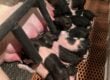
The most dangerous moment in a newborn pig’s first week takes only a few seconds. The sow lies down, and any piglet in the wrong spot has only a moment to get out of the way.
Nearly everything about a farrowing pen is designed around that moment. A farrowing pen is the enclosure where a sow gives birth and nurses her litter until weaning. Its job is to give the sow a cool, secure place to lie down and stand up, while giving her piglets a warm, dry, protected space to nurse and rest without ending up under her.
Here at ADA Enterprises, we build Dura Trac farrowing floors in Northwood, Iowa, and we spend a lot of time with producers talking about what happens inside those pens. This guide covers what a farrowing pen is, why it’s used, how it differs from a farrowing crate, and the details that decide whether a pen keeps performing litter after litter.
What Is a Farrowing Pen?
In a confinement barn, a farrowing pen is a compact unit built around a few distinct zones. Each one has a different job, and each one puts different demands on the floor underneath it.
- The sow area. The center of the pen, where the sow lies, stands, eats and nurses. In most barns, a crate or rails control how she moves.
- The creep area. The space on either side of the sow, where piglets rest, warm up and stay out of reach when she shifts her weight.
- A heat source in the creep. A heat lamp, heat mat or heat plate that keeps newborns warm without heating the sow.
- Flooring that lets manure drop away and gives both the sow and her piglets secure footing.
You’ll hear the term used two ways. Some producers say “farrowing pen” and mean the whole unit, crate included. Others reserve it for open pens where the sow moves freely. Both uses are common, which is why the pen-versus-crate question deserves its own section below.
Why Farrowing Pens Are Used
Every part of a farrowing pen exists to get more live pigs to weaning. A well-designed pen does four jobs at once:
- Prevents laid-ons by controlling where and how the sow lies down.
- Keeps newborns warm during the hours when they’re least able to hold their own body heat.
- Keeps the environment clean and dry so manure, urine and moisture don’t sit where piglets lie.
- Lets you see and reach every animal for processing, cross-fostering and daily checks.
Crushing is the biggest of those threats. In a study of 112 breeding farms in England, published in Preventive Veterinary Medicine in 2012, farmers reported that crushing of healthy piglets accounted for 55% of live-born pre-wean mortality.
That same study found something worth remembering. Farrowing crates reduced crushing losses, but piglets in crates were at higher risk from other causes, so overall pre-wean mortality didn’t change significantly. Protecting piglets from the sow is only half the job. Cold, wet and dirty conditions take the rest, which is why a farrowing pen has to work as a system, not just a set of bars.
Farrowing Pen vs. Farrowing Crate: What’s the Difference?
A farrowing crate is the frame of bars that holds the sow in place inside the pen. She can stand up and lie down, but she can’t turn around, and the bars slow her as she lies down so piglets have time to move.
A free-farrowing pen, sometimes called a loose or open farrowing pen, gives the sow room to turn around and move during farrowing and lactation. It’s the welfare-driven alternative, and Norway, Sweden, Finland and Switzerland have banned farrowing crates in favor of pen systems.
The tradeoff shows up in survival numbers. In a two-year study of three commercial Danish herds, piglet mortality was 13.7% in free-farrowing pens versus 11.8% in crates before litter equalization (Hales et al., animal, 2014).
| Farrowing crate inside a pen | Free-farrowing pen | |
|---|---|---|
| Sow movement | Can stand and lie down, can’t turn around | Can turn around and move freely |
| Crushing risk | Lower, because bars slow the sow as she lies down | Higher in commercial comparisons |
| Floor space per sow | Compact footprint | More floor space per sow |
| Handling and observation | Easy to reach piglets with the sow restrained | Sow has more room to move around you |
| What the floor has to do | Traction and cooling in a narrow sow area, warmth in the creep | Footing, drainage and warmth across a larger open area |
For many commercial operations, a crate inside a pen remains the practical answer. It protects the litter through the riskiest days while keeping the unit compact and easy to work. Whichever layout you choose, the floor underneath decides how well it performs.
One Pen, Two Climates
Every farrowing manager knows this problem. A newborn piglet’s comfort zone sits above 86°F (30°C) for its first 24 to 48 hours, while a sow is most comfortable at about 68°F (20°C) or cooler. Those two animals share the same few square feet.
Heat the whole room for the piglets, and the sow ends up heat stressed. Cool the room for the sow, and the litter gets chilled. The answer is to build both climates into the pen itself, and much of that work happens at floor level.
Keeping the creep warm
Concrete and bare metal pull heat away from anything lying on them. Every Dura Trac floor is completely plastisol coated, so it never feels colder than the temperature in the room, and a newborn holds onto the body heat it has. That’s a big part of how flooring design supports thermoregulation in piglets.
Our Clearspan Creep Side Flooring can also be built with options that target warmth directly:
- A solid plate that keeps piglets warm by blocking drafts from below
- Plastisol-coated hot water heat plates for uniform heat
- A recessed area that holds an electric heat mat flush with the creep floor
- Pad positioners, cord holes and side tabs to fit your heat setup
Keeping the sow cool
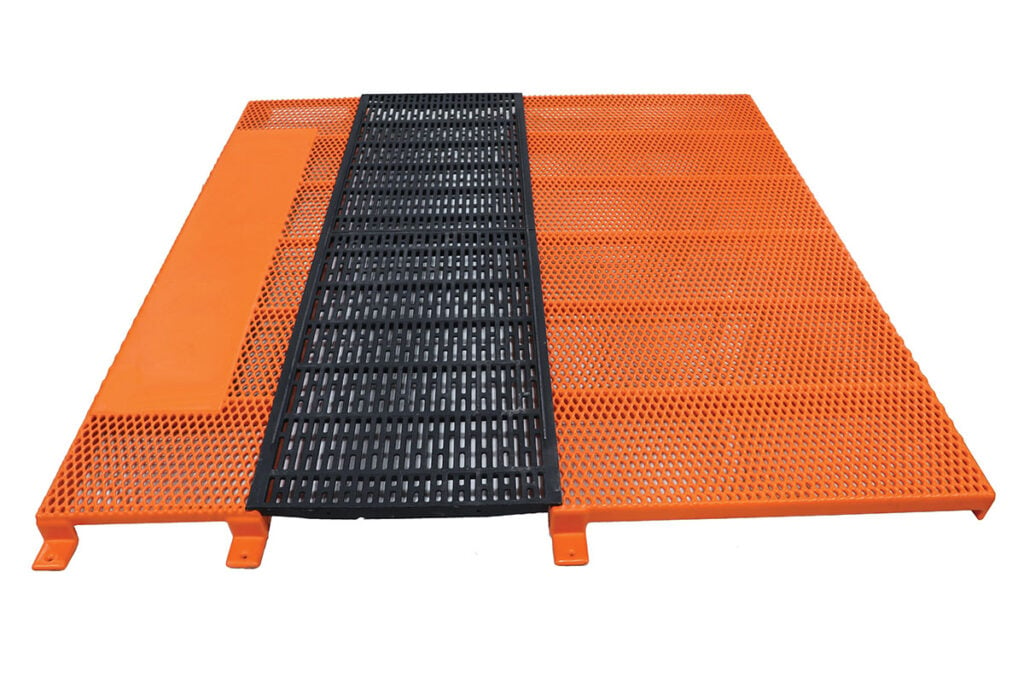
The sow area needs the opposite. Cast iron sow centers set between two Clearspan creep side floors keep the sow cool and comfortable, while her piglets stay warm and dry on the plastisol-coated creep sides. They come in 24 x 42-inch and 24 x 48-inch sizes.
Why the Floor Does More Work Than Any Other Part of the Pen
Crates, feeders and heat lamps get most of the attention. The floor, though, touches every animal in the pen every minute of every day, and it affects all four jobs a farrowing pen has to do.
Footing for the sow
A sow that slips while standing or lying down is a risk to herself and to every piglet beside her. Dura Trac farrowing floors are designed for traction and the prevention of flooring-related injuries, and our welded rod sow sections have traction bars welded on.
“The replacement Sow Sections with Traction Bars have worked wonderfully for us. High dollar sows are no longer slipping in the crate.”
Brian Beaman, Beaman Showstock
Not every floor gets this right. Producers who have used galvanized rod flooring report that it washes easily, but sows injure themselves on it and newborn pigs get cold.
Crush protection built into the floor
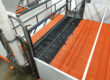
The Clearspan Farrow Complete System uses a two-level design. A 1-inch center rise reduces crushing and gives newborns easier access to the underside nipples. The 24-inch-wide center sow area is wide enough for the sow, but not so wide that it loses the advantage of the raised center.
The complete system includes self-supported expanded metal creep sides, a welded rod sow section with traction bars, a Stokboard feed saver and hardware. Because the floor is entirely self-supported, no additional support is needed underneath.

Sanitation between litters
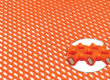
A farrowing pen gets washed every time a litter leaves. The mesh in Dura Trac flooring lets urine and feces filter through to the gutter below, so less of it sits where piglets lie, and the smooth plastisol surface supports high-pressure wash-down and chemical disinfection.
Each floor is welded as one piece, fully dipped in liquid plastisol and oven cured, so there’s no exposed metal at the welds for rust or bacteria to work into. All Dura Trac flooring also includes antimicrobial protection that inhibits the growth of E. coli, Salmonella and other microbials. Optional 6-inch plastisol-coated Clearspan legs raise the floor above the alleyway for easier aisle cleaning.
Durability through decades of litters
A farrowing floor goes through a wash cycle with every litter, year after year. Wear areas on Clearspan floors are kept small and replaceable, so you can swap a worn sow section instead of replacing the whole floor.
“We love our farrowing floors from ADA Enterprises. They are easier to wash and have held up excellently compared to other types of flooring. Our Dura Trac floors are 30 years old.”
Joseph Stahl, Ear View Colony
What to Look For When Building or Replacing a Hog Farrowing Pen
Planning a new farrowing room or replacing worn floors in an existing one? Use this checklist to judge any farrowing pen setup, ours included:
- Secure footing in the sow area, with traction where she stands up and lies down
- A warm creep area with protection from drafts coming up from below
- A cool place for the sow, so her comfort isn’t traded for the litter’s
- Crush protection in the floor layout, not just in the crate bars
- Open flooring that lets manure fall through instead of spreading across the surface
- Fully coated surfaces with no exposed metal to rust at the welds
- Replaceable wear parts, so one worn section doesn’t mean a whole new floor
- The right fit for your existing crates, supports and gutters
Fit matters more than most producers expect. Clearspan Farrow floors come in six sizes from 5 x 7 feet to 6 x 8 feet, and custom sizes are available. If you’re putting new floors on your own supports, our Original Farrowing Floors need supports running laterally across the short way of the openings, no more than 8 inches apart under the sow and 16 inches apart in the creep areas.
Small additions help too. A split suckling divider separates larger piglets from smaller ones so every pig gets a shared chance at nursing. It lifts in and out of most farrowing floors, and you can leave it in place when you power wash.
For a closer look at the crate side of the system, see our guide to farrowing crate flooring.
Common Questions About Farrowing Pens
What is the purpose of a farrowing pen?
A farrowing pen gives a sow a safe place to give birth and nurse her litter until weaning. It protects newborn pigs from being crushed, keeps them warm and dry, keeps the area sanitary between litters, and makes it easier for caretakers to check and handle the sow and piglets.
What is the difference between a farrowing pen and a farrowing crate?
The farrowing pen is the whole enclosure, including the creep areas where piglets rest. A farrowing crate is the frame of bars inside the pen that keeps the sow from turning around and slows her as she lies down. A free-farrowing pen has no crate and lets the sow move freely.
Why are farrowing crates used?
Farrowing crates are used mainly to reduce crushing, the most common cause of death in live-born piglets. By controlling how the sow lies down, the crate gives piglets time to move out of the way. Crates also make the unit more compact and make it safer to work with the litter.
What is the best flooring for a farrowing pen?
The best farrowing pen flooring gives the sow secure traction, keeps piglets warm, lets manure drop through, and holds up to repeated washing. Plastisol-coated steel like Dura Trac stays at room temperature, while concrete and bare metal draw heat away from newborn pigs.
Build a Farrowing Pen That Works Litter After Litter
A farrowing pen succeeds or fails on the details: how the sow lies down, how warm the creep stays, how fast the floor drains and how well it holds up to the next wash. Get the floor right, and every other part of the pen has a better chance of doing its job.
Every Dura Trac floor is made from prime steel in Northwood, Iowa, by a family-owned company that has been building for producers since 1974. Explore our Dura Trac farrowing floors to see the full lineup.
Ready to plan your next farrowing room or replace worn floors? Request a quote and our team will help you size flooring for your crates and layout.