The Efficiency Lab™ Series
In modern pork production, efficiency is often measured in labor hours, pig throughput, employee retention, or production performance. But on many hog operations, the true starting point for efficiency is determined long before the first pig enters the barn.
It starts with flow.
Not just pig flow — but the flow of people, chores, cleaning routines, ventilation patterns, observation, maintenance access, and how every component inside a facility works together on a daily basis.
Across the industry, producers are increasingly recognizing that barn design itself has become a major operational factor. Facilities that look similar on paper can perform very differently in the real world depending on how movement, access, and day-to-day functionality were considered during planning and construction.
Where Friction Hides in a Barn
In many barns, inefficiency is not caused by a lack of effort. It is caused by friction points built into the system itself.
Sometimes that friction shows up in obvious ways:
- pigs hesitating during movement
- bottlenecks near sorting areas
- difficult cleaning access
- awkward gate positioning
- excessive employee steps during chores
But often, the larger impact comes from the accumulation of small inefficiencies repeated every single day over the lifespan of a barn.
A few extra seconds moving pigs. An awkward turn while pressure washing. Limited visibility into corners or pen lines. Employees needing to re-enter pens multiple times. Poor transition areas between flooring surfaces.
Individually, these may seem minor. Operationally, over months and years, they become significant.
That reality is shaping how many modern producers approach both new construction and remodel projects. The conversation has evolved beyond simply maximizing capacity. More focus is now being placed on designing barns that support smoother movement, safer working environments, simplified labor routines, and lower long-term operational strain.
How Pigs Move Shapes Labor
One of the most overlooked areas in that conversation is how pigs naturally move through a facility.
Animal behavior and movement patterns directly influence labor efficiency. Pigs prefer consistent footing, clear pathways, gradual transitions, and environments where movement pressure feels natural rather than forced. When facilities fight against natural movement tendencies, employees often compensate with additional labor, sorting time, or stress-inducing handling practices.
The best-performing systems typically create environments where pigs move confidently without excessive intervention.
That affects:
- labor efficiency
- employee safety
- pig stress levels
- handling consistency
- throughput during movement events
- overall barn rhythm
Why Hog Barn Flooring Sits at the Center
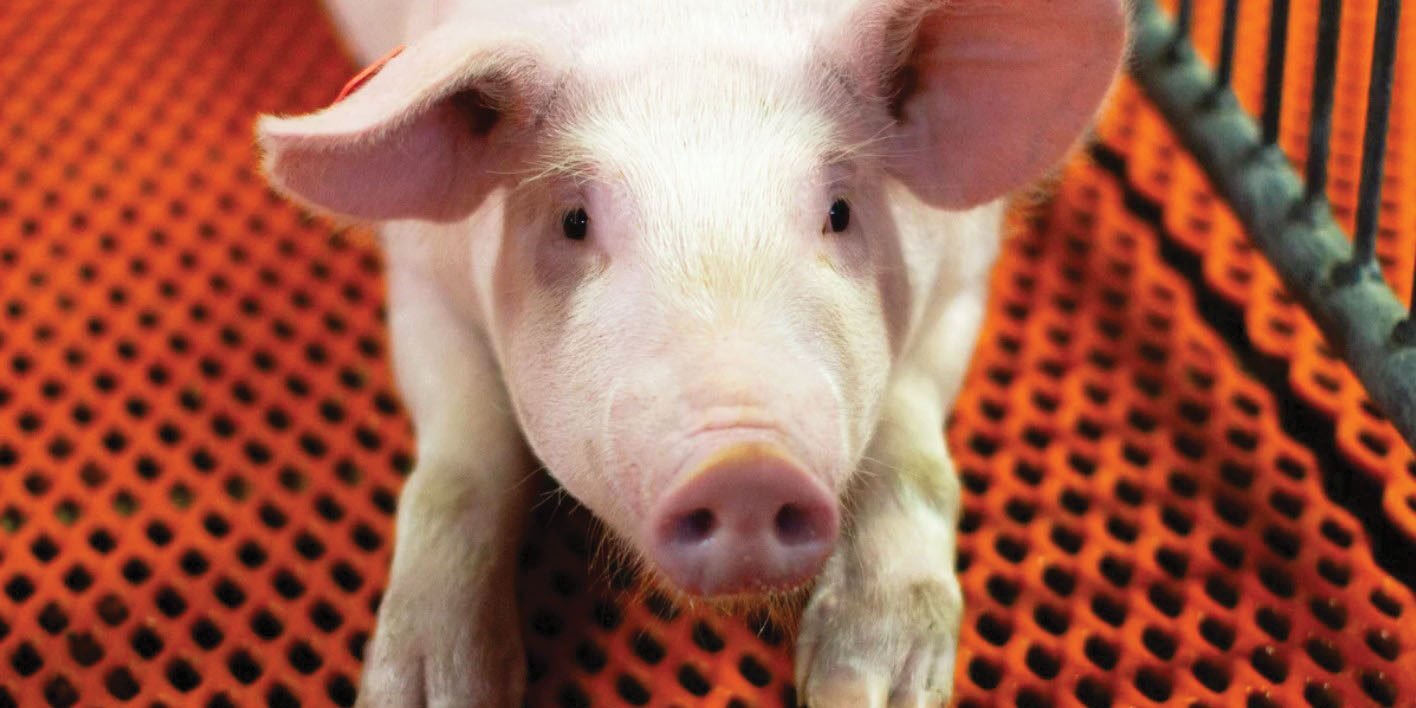
Hog barn flooring plays an especially important role within that equation. Traction consistency, footing stability, drainage, durability, and surface comfort all contribute to how both pigs and employees interact with the environment.
Poor footing can create hesitation points that slow movement and increase stress. Over time, inconsistent surfaces may also contribute to employee fatigue and safety concerns during routine chores or animal handling. Flooring that supports strong cleaning access and farm health protocols removes friction from the daily sanitation routine as well.
At ADA Enterprises, the focus has long centered on creating swine flooring and facility systems that support the practical realities of modern production. Their Dura Trac flooring systems are designed not simply as individual components, but as part of a broader operational system where durability, sanitation, pig comfort, and barn flow all intersect.
A Systems View of Barn Design
That broader systems-based mindset is becoming increasingly important throughout the industry.
As labor availability tightens and operational costs continue rising, producers are evaluating facilities differently than they did a decade ago. Decisions are no longer based solely on upfront installation costs or short-term functionality. More operations are assessing how barn design impacts labor sustainability and long-term ROI.
Questions producers are increasingly asking include:
- How many daily steps can be eliminated?
- Does the layout improve visibility and observation?
- Can pigs move calmly without excessive labor?
- How easy is the system to clean thoroughly?
- Does the facility reduce employee fatigue?
- How adaptable is the barn for future management changes?
- Will this layout still function efficiently ten years from now?
Those questions reflect a larger shift happening across livestock production. Efficiency is no longer viewed as isolated equipment performance. It is increasingly viewed as how well an entire system functions together over time.
That includes the relationship between:
- flooring
- gating systems
- ventilation
- alley design
- pen configuration
- chore flow
- manure handling
- animal movement
- employee access
The strongest facilities are often not the most complicated or the most expensive. They are the barns where every detail works together with intention. And because that flooring often outlasts everything else in the room, it pays to understand what separates a 10-year floor from a 30-year floor before the concrete is ever poured.
Built for Flow, Not Just Capacity
In many ways, good barn design is about reducing resistance.
Less resistance during movement. Less resistance during cleaning. Less resistance during chores. Less resistance between employees and the work that needs to get done every day.
Because over the lifespan of a production system, operational simplicity often creates the greatest efficiencies of all.
The pork industry continues to evolve quickly through technology, genetics, health management, and automation. But even as those advancements continue, the physical design of the barn itself remains one of the most important factors influencing how efficiently a system performs.
And increasingly, producers are realizing that the best facilities are not just built for capacity.
They are built for flow.
Learn more about ADA Enterprises and their swine flooring and facility solutions, or contact the ADA team to talk through your barn layout.