
Part of the “Built to Perform. Built to Last.” series exploring long-term performance in early calf environments.
When producers think about sanitation in calf environments, the conversation often starts with routines — washing pens, disinfecting equipment, refreshing bedding, and maintaining feeding tools. These protocols are essential. But sanitation is not simply about how often surfaces are cleaned. It is about whether the environment itself supports effective disease control. The most important task above all is to maintain a clean environment, which reduces risks of disease and illness in all animals.
In modern dairy operations, sanitation must function as part of a larger system. As calf programs grow in scale and labor becomes tighter, the difference between a clean-looking environment and a truly sanitary one becomes more important than ever. All calves are naturally exposed to pathogens at birth, and since they are born without an immune system, early exposure can be deadly.
Disease pressure rarely builds overnight. It accumulates slowly, often through small environmental weaknesses that make consistent sanitation difficult to achieve.
When Clean Isn’t Truly Clean
At first glance, a calf pen may appear clean after a wash-down. Surfaces look clear, bedding is fresh, and equipment has been rinsed. However, it is crucial to remove all clumped organic matter, such as manure and any bedding that is soiled with urine, before cleaning to ensure effective sanitation. But true sanitation depends on what happens beneath the surface — and whether the environment allows pathogens to be fully removed.
Materials and layout play a critical role in this process.
Some surfaces absorb moisture or develop micro-cracks over time, allowing bacteria to persist even after cleaning. Others corrode or degrade under repeated exposure to disinfectants and wash-down procedures. It is important to thoroughly rinse equipment and surfaces before applying disinfectant to maximize pathogen removal and improve calf scours prevention. When materials begin to fail, sanitation becomes inconsistent, no matter how carefully protocols are followed.
In many operations, these breakdowns do not become obvious until disease pressure begins to rise.
The Reality of Wash-Down Environments
Calf housing environments face repeated exposure to water, manure, disinfectants, and physical wear. In real-world conditions, sanitation is rarely a gentle process. High-pressure washers, chemical cleaners, and frequent handling place significant stress on housing materials and equipment.
Over time, this environment reveals weaknesses in design.
Corners that trap moisture, joints that collect organic material, or surfaces that cannot withstand aggressive cleaning create areas where pathogens can persist. Even well-managed operations can struggle to maintain consistent sanitation when the environment itself works against the cleaning process.
For producers, this creates a gap between intention and outcome. Protocols may be correct, but the environment limits their effectiveness.
Sanitation as a System
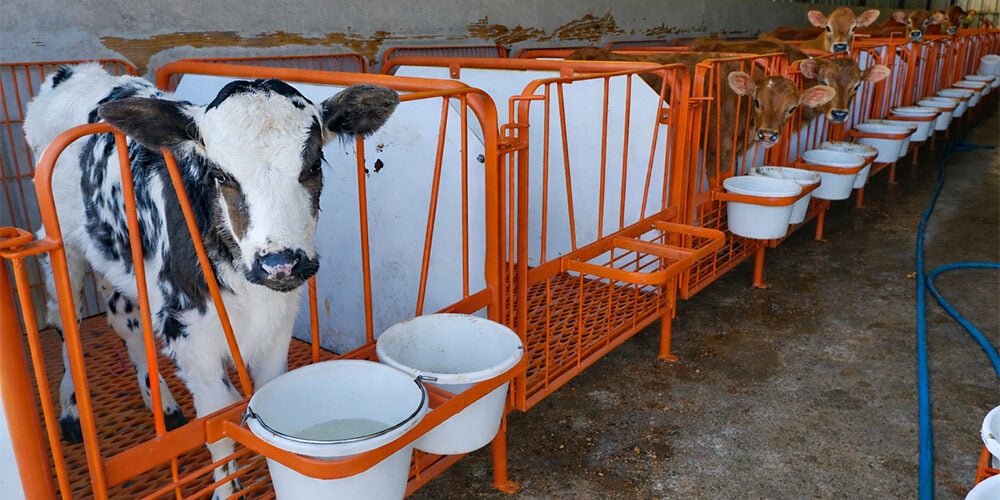
Progressive dairy operations are increasingly shifting their perspective on sanitation. Instead of viewing it as a task performed after animals move through a space, they are recognizing sanitation as a system built into the design of the environment itself.
This system-based thinking is increasingly influencing how modern calf facilities are designed, including the approach taken by ADA Enterprises, where sanitation, airflow, and durability are considered together rather than as separate features.
Effective sanitation systems include:
- Materials that withstand repeated cleaning and disinfectant use
- Layouts that allow full wash-down access
- Surfaces that resist corrosion and microbial buildup
- Airflow that supports drying and moisture control
When these elements work together, sanitation becomes easier to maintain consistently across groups of calves and over long periods of time.
Calf Health and Disease Prevention
Calf health and disease prevention are at the heart of every successful cattle operation, especially during the busy calving season. Ensuring each healthy calf gets the best possible start is essential for long-term herd productivity and profitability. One of the most significant threats to young calves is calf scours—calf diarrhea—caused by a range of scours pathogens such as rotavirus, coronavirus, and cryptosporidium.
Preventing scours begins with maintaining a clean environment. Calf pens, calving areas, and all feeding equipment should be thoroughly washed with hot water and disinfected using solutions like chlorine dioxide or hydrogen peroxide. This helps eliminate bacteria and scours-causing pathogens before they can infect vulnerable young calves. Regularly replacing bedding and removing organic matter further reduces exposure to disease and supports calf survival.
Colostrum management is another critical factor. Timely feeding of high-quality colostrum within the first two hours after birth provides essential antibodies that boost a calf’s ability to fight off infection. Proper colostrum intake is one of the most effective ways to prevent scours and support a healthy start to life.
When scouring calves do occur, prompt action is vital. Oral electrolyte solutions are key for treating moderate dehydration, while continuing milk feedings ensures calves receive the energy and nutrients needed for recovery. Treatment protocols—developed in consultation with a veterinarian—should address both immediate care and long-term prevention, including steps to reduce exposure to scours pathogens.
Older calves can shed scours pathogens and pose a risk to younger animals. Separating age groups, maintaining a clean calving area, and using fresh bedding are practical ways to prevent scours outbreaks. Regular disinfecting of surfaces, equipment, and boots, along with proper washing and rinsing, helps stop the spread of bacteria and other pathogens throughout the farm.
Farmers should also be vigilant for early signs of scours, such as diarrhea, dehydration, and lethargy. Quick recognition and veterinary guidance can make the difference between a sick calf and a healthy recovery. Mastitis and other diseases can also impact calf health, so prompt treatment and prevention are essential for overall herd well-being.
Another often-overlooked risk is biofilm formation on equipment and surfaces. Biofilms provide a protective habitat for bacteria and other microorganisms, making them harder to remove and increasing the risk of disease transmission. Regular, thorough cleaning and disinfecting are necessary to break down biofilms and maintain a clean environment.
Ultimately, calf health and disease prevention require a comprehensive, proactive approach. This means combining clean environments, effective colostrum management, robust treatment protocols, and ongoing collaboration with veterinarians. By focusing on prevention and early intervention, producers can reduce the risk of scours, promote healthy calves, and ensure a productive, profitable farm for years to come.
Managing Long-Term Scours Pathogens Pressure
Disease prevention in calves is rarely the result of a single management decision. It is the product of many small environmental advantages working together.
When sanitation is difficult to maintain, pathogens accumulate gradually. Over time, this creates higher disease pressure that shows up through respiratory challenges, digestive disorders, or inconsistent calf performance.
By contrast, environments designed with sanitation in mind help reduce that long-term buildup of risk.
They allow cleaning protocols to work as intended and support the daily consistency that healthy calf programs depend on.
Designing Calf Pens for Real-World Sanitation
As producers look to strengthen their calf programs, many are reevaluating how their facilities support sanitation over the long term.
The most effective environments are not simply easy to clean once. They are designed to perform under years of repeated wash-down cycles without degrading or compromising sanitation standards.
This kind of long-term thinking is central to how ADA Enterprises approaches early calf environments. By focusing on materials, airflow, and layouts that support real-world sanitation practices, ADA environments help producers maintain healthier calf programs year after year.
Learn more about ADA’s approach to calf environments at ADAENT.net.