Part of the “Built to Perform. Built to Last.” series, exploring long-term performance in early calf environments.
Cleaning is a routine part of every calf program. Teams scrape pens, wash equipment, and rinse surfaces. On paper, the process seems straightforward.
However, cleaning is not as simple as it looks.
The difference often comes down to one overlooked factor: the material itself.
Different materials behave differently under real-world conditions. Some surfaces release dirt and organic matter easily. Others hold moisture, residue, and bacteria—even after repeated cleaning. Over time, those differences begin to shape sanitation outcomes in ways that are not always obvious.
In early calf environments, where disease pressure can build quickly, those material differences matter.
Not All Surfaces Clean the Same
Sanitation depends on how well a surface can be cleaned.
Smooth, non-porous materials allow water and disinfectants to work effectively. In contrast, rough or damaged surfaces trap organic matter and create pockets where pathogens persist.
This difference becomes more important with repeated use. As surfaces wear down, they become harder to clean. Scratches, cracks, and corrosion hold moisture and bacteria long after visible debris is removed.
As a result, a surface may look clean while still carrying a meaningful pathogen load.
Where Traditional Materials Fall Short
Many calf housing environments rely on materials that perform well at first but degrade over time.
Unprotected steel corrodes. Painted or coated surfaces chip and wear down. As this happens, surfaces become uneven and harder to clean thoroughly.
Moisture and organic matter settle into these imperfections. Even with consistent effort, teams struggle to fully remove buildup. Over time, bacteria and other pathogens persist between cleaning cycles.
These changes often happen gradually. Because the shift is slow, it may go unnoticed until sanitation becomes harder to maintain.
Why Material Choice Matters for Sanitation
Sanitation depends on more than the cleaning process. It also depends on the surface being cleaned.
Materials that resist moisture, corrosion, and wear help maintain a consistent cleaning standard. They allow producers to remove organic matter effectively and apply disinfectants with better results.
In contrast, materials that degrade or absorb moisture increase the effort required to achieve the same outcome. As that effort increases, consistency often declines.
In many cases, producers respond by adjusting protocols. However, the issue is often not the process—it is the surface itself. When materials work against cleaning, even the best protocols struggle to deliver consistent results.
Material choice, therefore, becomes part of disease control.
Materials either support sanitation—or quietly work against it.
What Is Plastisol-Coated Steel?
Plastisol-coated steel addresses many of these challenges.
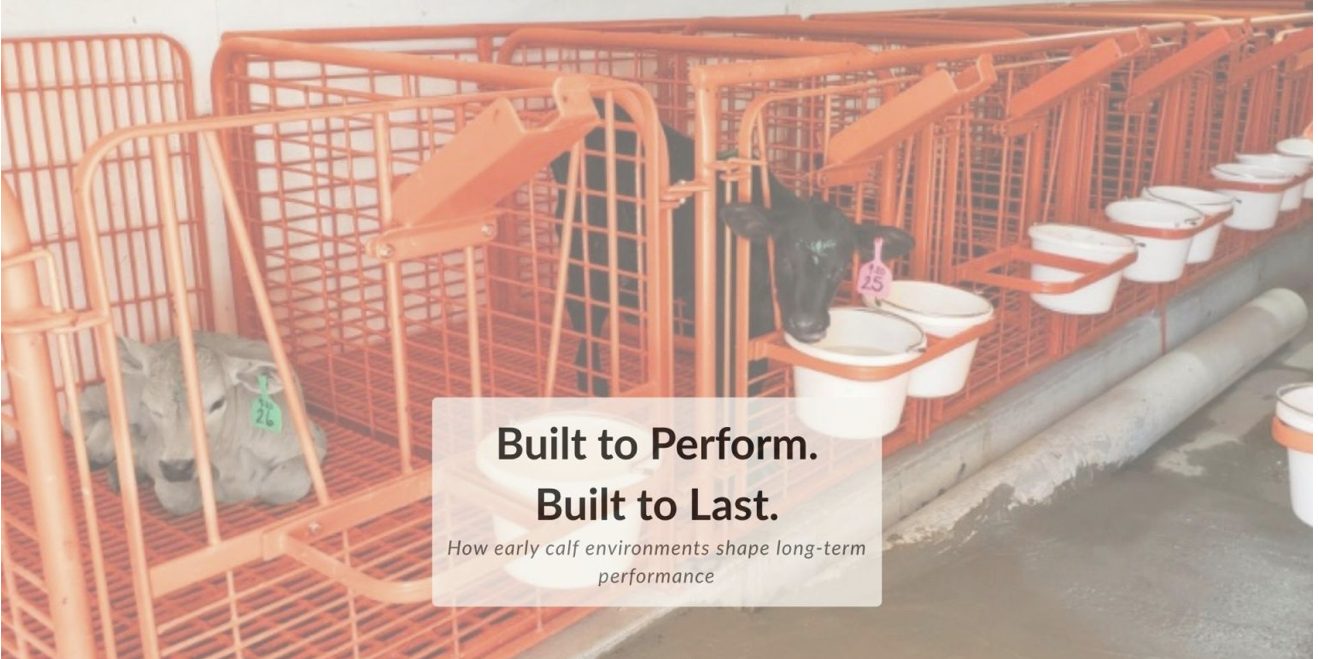
It is steel covered with a durable protective layer that creates a smooth, sealed surface. This coating resists moisture and helps prevent corrosion.
Because the surface stays intact over time, it does not develop the pitting or roughness seen in unprotected materials. As a result, organic matter is less likely to adhere, and surfaces can be cleaned more thoroughly with less effort.
The goal is not to replace sanitation protocols. Instead, this material supports those protocols by making surfaces easier to clean—consistently and repeatedly.
Cleaning Efficiency and Consistency
Cleaning outcomes depend on more than effort. They depend on how easily a surface returns to a sanitary state.
You can’t sanitize what you can’t properly clean—and you can’t clean what the system doesn’t allow.
When surfaces resist buildup and stay smooth, cleaning becomes more predictable. Water, detergents, and disinfectants work as intended. Tasks take less time and produce more consistent results.
In contrast, when surfaces trap moisture or degrade, cleaning becomes less reliable. Even with added effort, results vary from one calf pen to the next.
Over time, that variability shows up in calf health outcomes.
Labor Efficiency Is Part of the Equation
Labor constraints continue to shape calf programs. As a result, efficiency directly affects sanitation.
On many operations, calf care tasks compete for time throughout the day. When cleaning systems are inefficient, sanitation is often the first area where consistency begins to slip.
Time-consuming or physically demanding systems compete with other priorities. This often leads to shortcuts or uneven results—not because of poor management, but because of practical limits.
However, materials that support efficient, modern cleaning methods change that dynamic. They allow teams to complete tasks more quickly while maintaining quality.
In this context, labor efficiency supports disease control. When cleaning becomes easier, consistency improves.
Long-Term Performance Matters
Material performance over time plays a critical role in sanitation.
A surface may clean well in its first season. However, long-term results depend on how it handles repeated use, moisture exposure, and ongoing cleaning.
Materials that resist corrosion and maintain a smooth finish help sanitation protocols stay effective year after year. In contrast, materials that degrade gradually reduce cleaning effectiveness.
As with other aspects of early calf environments, long-term performance depends on how well systems support consistency—not just in design, but in daily execution.
A System Built to Perform
Producers increasingly recognize that sanitation outcomes depend on more than protocols. Materials, layout, and design all influence how effectively environments can be cleaned.
A system-based approach considers how these elements work together. When materials support cleaning, and cleaning supports consistency, disease pressure becomes easier to manage.
This thinking aligns with the philosophy behind ADA Enterprises. Through the “Built to Perform. Built to Last.” approach, early calf environments are designed to support long-term performance—not only through durability, but also by enabling consistent, efficient sanitation under real-world conditions—where time, labor, and repeatability directly impact results.
Cleaning will always play a role in calf management. However, the way producers support it continues to evolve.
It is no longer just about the process. It is about the system behind it. When materials are chosen to support sanitation, the result is more than cleaner surfaces—it is more consistent outcomes, healthier calves, and stronger long-term performance.
As expectations continue to rise, the operations that succeed will be the ones where sanitation is not left to effort alone—but built into the system from the start.
Explore plastisol-coated calf flooring and calf equipment at ADAENT.net